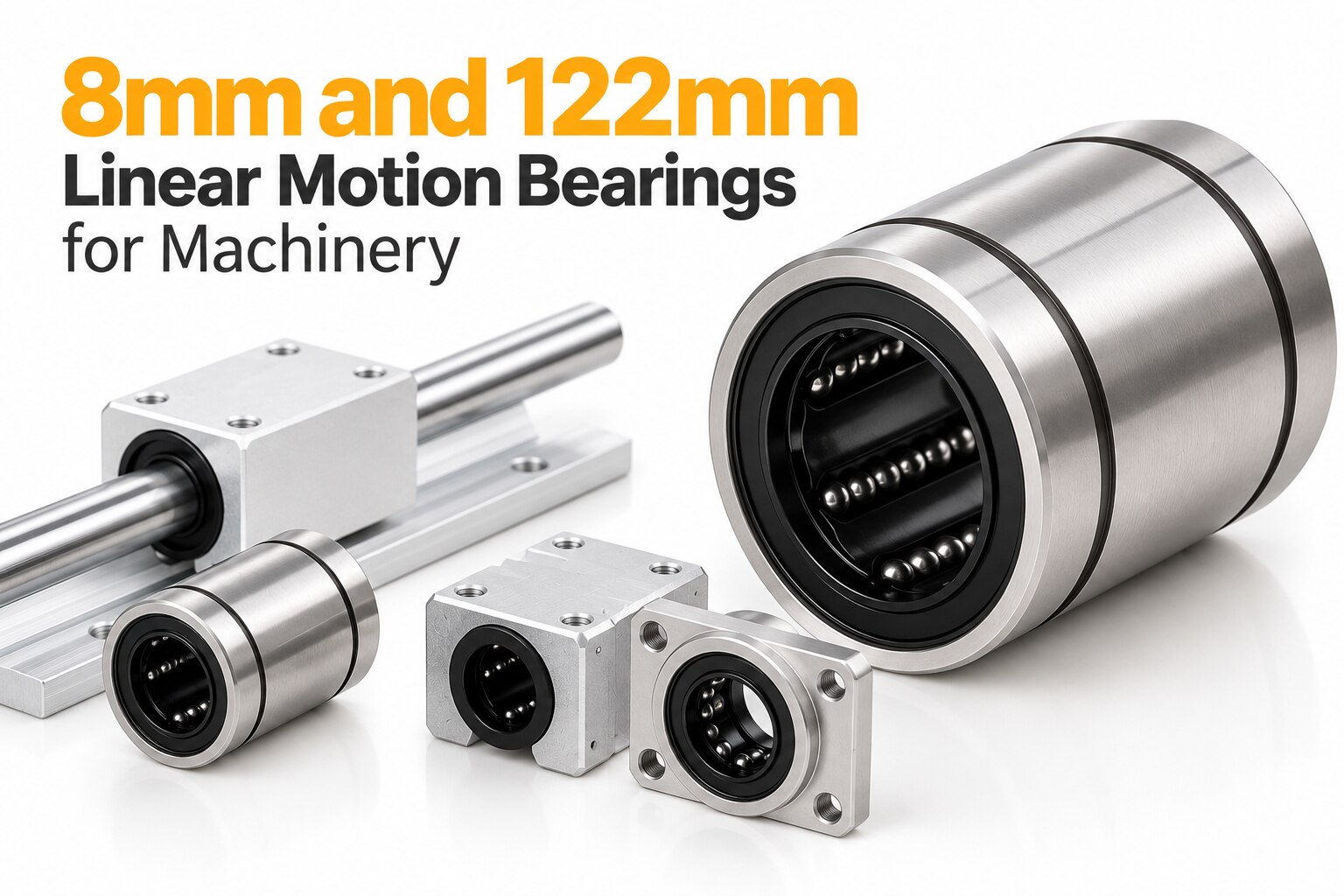
An 8 mm designation usually identifies the nominal shaft diameter, while “122 mm” is incomplete until you know whether it refers to the bore, outside diameter, length, or another machine dimension. By the end, you will be able to turn either description into a verifiable specification, match the bearing to its shaft and load, and question a Delhi supplier about fit, condition, delivery, and replacement compatibility.
Key takeaways
- Treat 8mm as a nominal bore, not the bearing’s length or outside diameter.
- Confirm whether 122mm means length, shaft size, or a machine-specific dimension.
- Match bearing type, shaft tolerance, load, speed, stroke, and contamination controls.
- Compare bore, outside diameter, length, seals, cage design, and supplier documents before buying.
What do 8 mm and 122 mm actually identify?
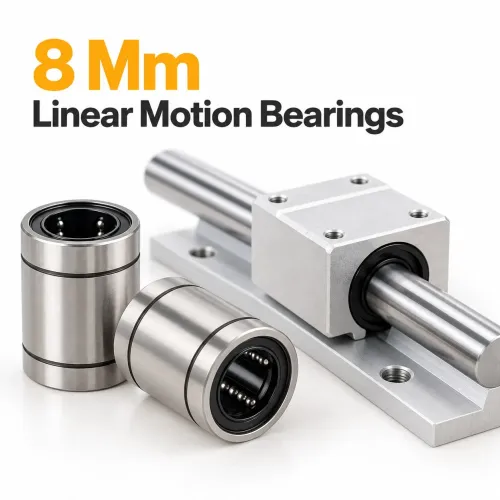
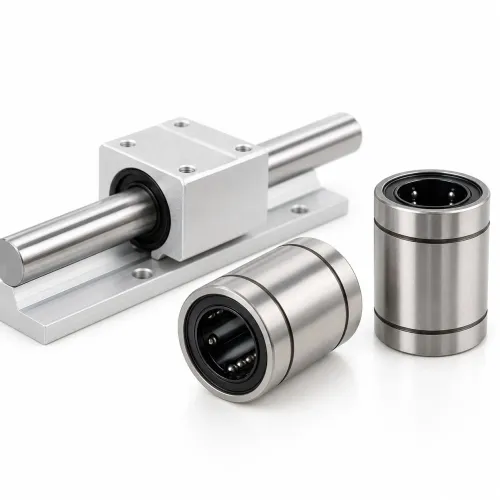
An 8mm linear motion bearing normally identifies an 8 mm nominal bore and its matching shaft, not an 8 mm outside diameter or an 8 mm length. A common LM8UU-style example measures about 8 mm bore × 15 mm outside diameter × 24 mm long, but those dimensions are not universal across manufacturers.
A 122mm linear motion bearing is not a complete specification. “122” could mean a 12 mm bore, 122 mm overall length, a 12.2 mm dimension, or a genuinely large 122 mm bore. Those options require completely different shafts, housings, loads, and prices.
Before requesting a quotation, send:
1. The complete manufacturer part number and dimensional drawing, then state the bore, outside diameter, overall length, shaft diameter and tolerance, housing fit, internal clearance or precision class, and machine drawing reference.
2. The mounting arrangement: plain bearing, flanged unit, pillow-block housing, or another support. Confirm whether the replacement is metric or inch, open or sealed, standard or long, and a plain or recirculating-ball type.
3. The seal arrangement and recommended shaft specification. A sealed LM-UU-style bushing and an open bearing need different protection and rail geometry; neither is automatically interchangeable.
Compare the drawing, shaft fit, housing fit, and load rating before ordering. Matching only “8 mm” or “122 mm” can produce binding, excess play, or a part that cannot enter the machine.
Which linear bearing type fits your machine and application?
Choose the bearing by load path and environment, not by the machine’s name. Recirculating ball bushings give low rolling friction for CNC and light machine-tool axes, 3D printers, and laboratory machinery, but need hardened, ground shafts; roughness, poor parallelism, and pitch, yaw, or roll moments quickly cause binding and wear.
| Type | Friction and rigidity | Noise, contamination, alignment, load, maintenance |
|---|---|---|
| Recirculating ball bushing | Very low rolling friction; moderate rigidity | Smooth but noisy when damaged; poor tolerance of rough shafts, abrasive dirt, or parallelism errors; best for radial loads; lubricate and protect |
| Plain bearing | Sliding friction; rigidity depends on clearance and material | Quiet; suits low-speed, dirty service when load, clearance, lubrication, and material match; inspect wear and lubricate as specified |
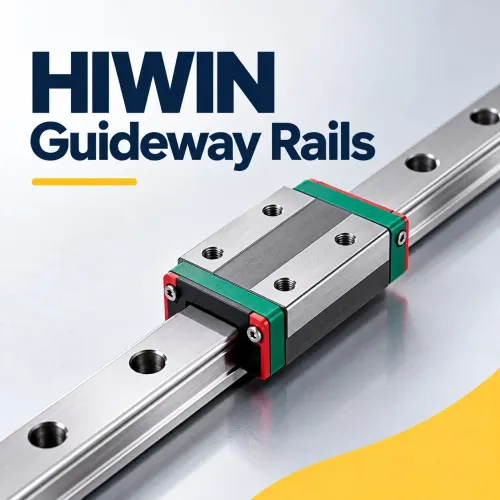
| Linear guideway or profiled rail | Low rolling friction; highest stiffness and moment capacity | Rail and recirculating elements need protection; alignment is critical; handles combined and moment loads; follow preload and lubrication requirements |
| Mounted pillow-block unit | Friction follows its bushing; mounting is simpler | Housing aids installation but does not remove alignment checks; choose it for supported shafts and accessible maintenance |
For linear bearing applications, use plain bearings in slow packaging equipment or dirty slides, ball bushings in light pick-and-place and inspection fixtures, and guideways for automation slides needing stiffness. A sealed LM-UU-style bushing and an open bearing require different shaft supports, shields, and rail access.
Choose a profiled rail, roller guide, or recirculating linear guide instead when abrasive contamination, unsupported long spans, severe moments, or demanding rigidity exceed a bushing’s capability.
How do you size the bearing, shaft, and mounting arrangement?
Start with machine duty, not the bearing’s nominal size. Record payload and radial load, moment load, stroke length, speed, acceleration, duty cycle, shaft span, number of bearings, load distribution, expected travel life, and required precision.
- Convert acceleration and uneven loading into an effective bearing load; do not treat dynamic or static load ratings as simple payload limits. Moment loading can make one bearing carry far more than its share.
- Check the manufacturer’s life calculation. Ball-bushing life commonly uses a cubic load relationship, expressed as travel distance rather than revolutions.
- Specify hardened, ground shafts with controlled diameter and tolerance, suitable surface finish, straightness, and parallelism. Threaded rod and ordinary bright mild-steel rod cause noise, raceway wear, binding, and short life when accuracy matters.
- Set support spacing and bearing positions from the moment load. Multiple bearings on two shafts can be preloaded by misalignment, sharply reducing life. Flanges simplify plate mounting; they do not solve moment loads.
For an 8mm linear motion bearing, the shaft is part of the bearing system. During installation, clean mating surfaces, remove burrs, and press through the correct bearing ring or housing. Never strike the ball track.
Align shafts before tightening, then move the carriage through its full stroke. Binding reveals misalignment, excessive interference, bent shafting, or uneven load distribution before commissioning. Recheck precision and noise at operating speed, not only by hand.
How should you protect, lubricate, and diagnose the bearing?
Protect the bearing before contamination reaches it. Delhi workshops expose guideways to airborne dust, metal particles, humidity, coolant, washdown water, summer heat, corrosion, and abrasive chips.
A sealed bearing helps with ordinary dust, but an unsealed guideway needs external protection: fit wipers, bellows, covers, or guarding, and position them to scrape contamination away from the raceway. A rotary oil seal is not a substitute for a reciprocating linear-bearing seal; it can create friction, heat, and leakage.
Lubricate only to the maker’s specification for grease quantity, base-oil viscosity, thickener compatibility, relubrication interval, and speed limit. Overpacking a small 8 mm bearing increases drag and heat; too little grease damages balls and raceways. Do not mix greases unless compatibility is confirmed, because the mixture can separate or harden.
Use the symptom to narrow the fault:
- Play suggests bearing wear, shaft wear, or excessive internal clearance.
- Rough travel and raceway marks suggest abrasive contamination or brinelling.
- Noise points to damaged tracks or insufficient lubrication.
- Stick-slip points to poor alignment or excessive friction.
- Corrosion or shaft wear indicates moisture, unsuitable material, or inadequate protection.
Choose stainless steel for persistent humidity, washdown, or corrosive coolant when its lower hardness and load capacity are acceptable. A correctly hardened, ground shaft and effective guarding matter more than a higher nominal load rating when contamination or misalignment causes the failure.
What should you verify before buying a replacement in Delhi?
A short description is not a replacement specification. Ask a linear motion bearing supplier in Delhi for:
- Exact manufacturer part number, dimensional drawing, bore, outside diameter, overall length and length tolerances; dynamic and static load ratings; recommended shaft; seal or wiper arrangement; material and heat treatment; grease specification; precision or clearance class; certificate or traceability details.
- Available quantity, batch or lot number, packaging condition, lead time, delivery area and replacement availability. Verify authentic branding, legible markings, sealed packaging and dents, corrosion or cracked seals before installation.
Compare the part with the machine drawing, shaft tolerance and housing fit. “8 mm” identifies neither the outside diameter nor length, while “122mm linear motion bearing” could describe a bore, length or another dimension.
| Option | Effort and cost | Choose when |
|---|---|---|
| Replace bushing only | Lowest disruption; fails again if the shaft is worn | Shaft is straight, smooth and within tolerance |
| Replace bushing and shaft | More downtime and fitting work | Shaft has grooves, corrosion, looseness or poor finish |
| Install supported rail | Higher component and alignment cost | Long spans or shaft deflection cause binding |
| Upgrade to profiled guideway | Highest redesign effort and cost | You need rigidity, moment capacity or precision |
For a linear motion bearing for machinery in Delhi, Shreeji Industrial Corporation LLP can help source the bearing, grease and sealing components together when you provide the shaft, load, travel, environment, mounting style, quantity and required delivery date.
Related products
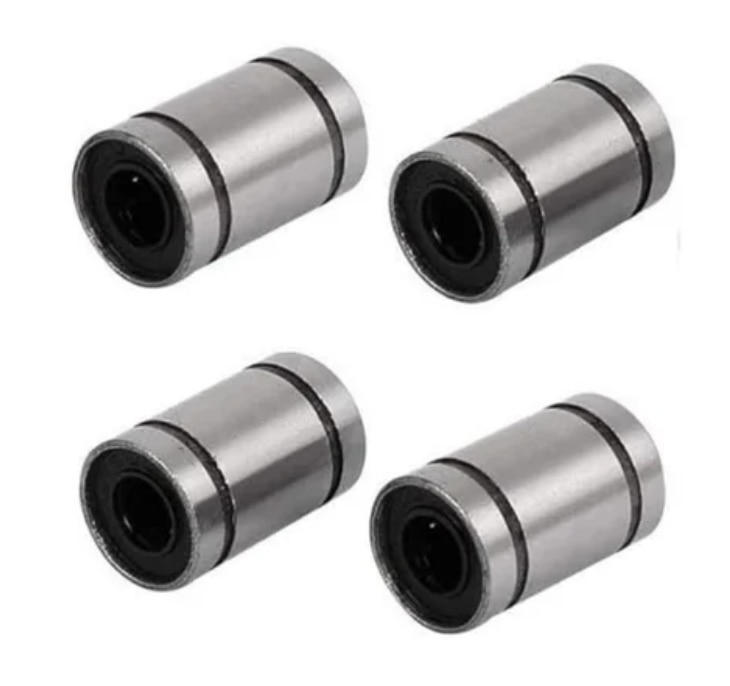 | Industrial Ball Bearing Material Stainless Steel Product Brand NTN Bearing Type Plain Bearing Bearing configuration Single Track Size 122mm Uses/Application Industrial A... View product → |
 | Industrial Ball Bearing Material Stainless Steel Product Brand SKF Product Type Linear Shaft Diameter 8mm Usage/Application Industrial Packaging Box An 8mm linear motion... View product → |
Frequently asked questions
What does an 8mm linear motion bearing identify?
It normally identifies an 8 mm nominal bore for an 8 mm shaft. It does not identify the outside diameter or bearing length; an LM8UU-style bearing is commonly about 8 mm bore × 15 mm outside diameter × 24 mm long, but confirm the manufacturer’s drawing.
What does 122mm identify in a linear motion bearing listing?
Do not assume 122 mm identifies the bore. Check the dimensional drawing and catalogue code to determine whether it refers to bearing length, shaft diameter, housing size, travel, or another machine dimension.
Which linear bearing type fits a machinery application?
Choose between open or closed ball bushings, flanged bearings, supported rail systems, crossed-roller bearings, or polymer plain bearings after checking load direction, stroke, speed, rigidity, contamination, noise, and alignment.
How do you size the shaft and mounting arrangement?
Match the bearing’s nominal bore to the shaft, then verify shaft diameter tolerance, roundness, surface finish, straightness, span between supports, housing fit, parallelism, and the radial load and moment created by the machine.
How should you protect and lubricate a linear motion bearing?
Use seals or shields suited to dust and coolant, keep the shaft clean, apply the lubricant specified for the bearing, and prevent over-greasing. Diagnose rough travel, noise, play, heat, and brinelling before replacing parts.
Related products
 | Roller Bearing Product Brand HIWIN Material Steel Sealing Without Seal A linear guideway (also called a linear motion guide, linear rail, or linear bearing system)... View product → |
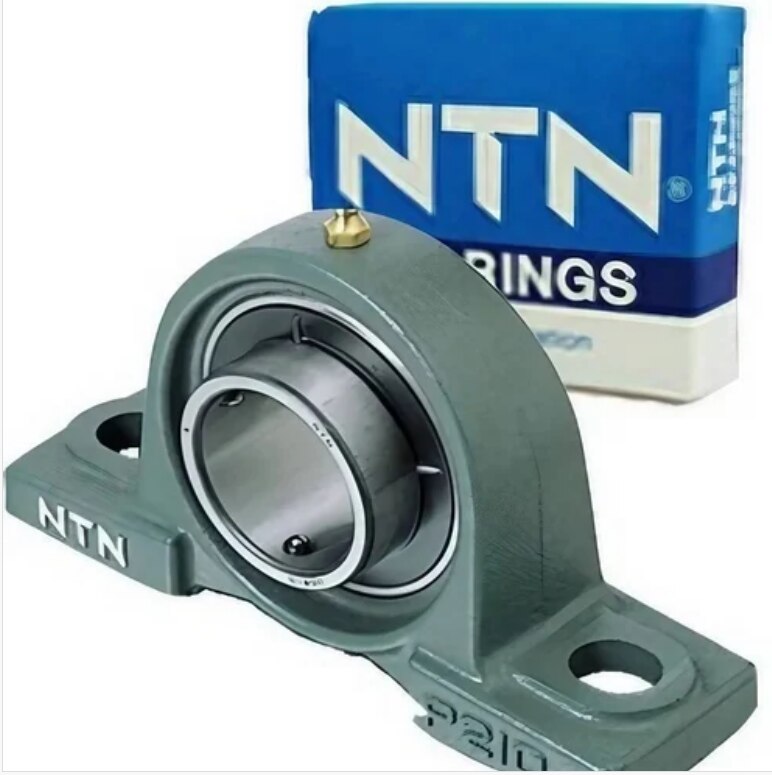 | Bearing Material Bearing Steel Product Brand NTN Bearing Number P210 Bearing type Plain Bearing Locking type Set Screw Housing Material Cast Iron Shaft... View product → |
Keywords